
10 photos every small business website should have (and why they matter)
Your website might look clean, modern, and well-structured - but if your images aren’t doing the right job, it won’t convert.
For small and independent businesses, photography isn’t just about looking good. It’s about building trust, telling your story, and helping customers feel confident enough to take action. The good news? You don’t need hundreds of images. You just need the right ones.
Here are 10 essential photos every small business website should have - and how each one helps your site perform better.
1. A strong homepage hero image
This is the first thing visitors see - and first impressions happen fast. It should immediately communicate what you offer and who it’s for, so visitors know they’re in the right place within seconds.
Your hero image should:
Clearly show what you do
Reflect your brand personality
Feel authentic (not overly staged or generic)
This ties closely to how your homepage performs overall - if your visuals don’t connect, users leave quickly.
Learn more:
2. Real photos of you or your team
People trust people. Especially for local and service-based businesses.
A simple, natural photo of you or your team:
Builds credibility
Makes your business feel human
Reduces hesitation when contacting you
This is especially important for “About” pages and service pages.

3. Your product or service in action
Your website might look clean, modern, and well-structured - but if your images aren’t doing the right job, it won’t convert.
For small and independent businesses, photography isn’t just about looking good. It’s about building trust, telling your story, and helping customers feel confident enough to take action.The right images can answer questions, remove doubt, and guide users towards making a decision.
The good news? You don’t need hundreds of images. You just need the right ones.
Examples:
A barber cutting hair
A baker preparing cakes
A consultant working with a client
These images help customers understand:
What they’re getting
How it works
What to expect
The level of care, skill, and attention that goes into your work
Learn more
4. Before and after photos
Before and after photos are one of the most powerful ways to show the value of what you do. Instead of telling customers how good your service is, you’re showing them real, visible results.
For many small businesses, especially those offering hands-on or transformational services, these images remove doubt quickly. They make it easier for potential customers to understand the impact of your work and build confidence in choosing you.
They work particularly well for:
Trades (cleaning, building, decorating)
Beauty services
Fitness or transformation-based businesses
They give instant proof of results - something words alone can’t do.
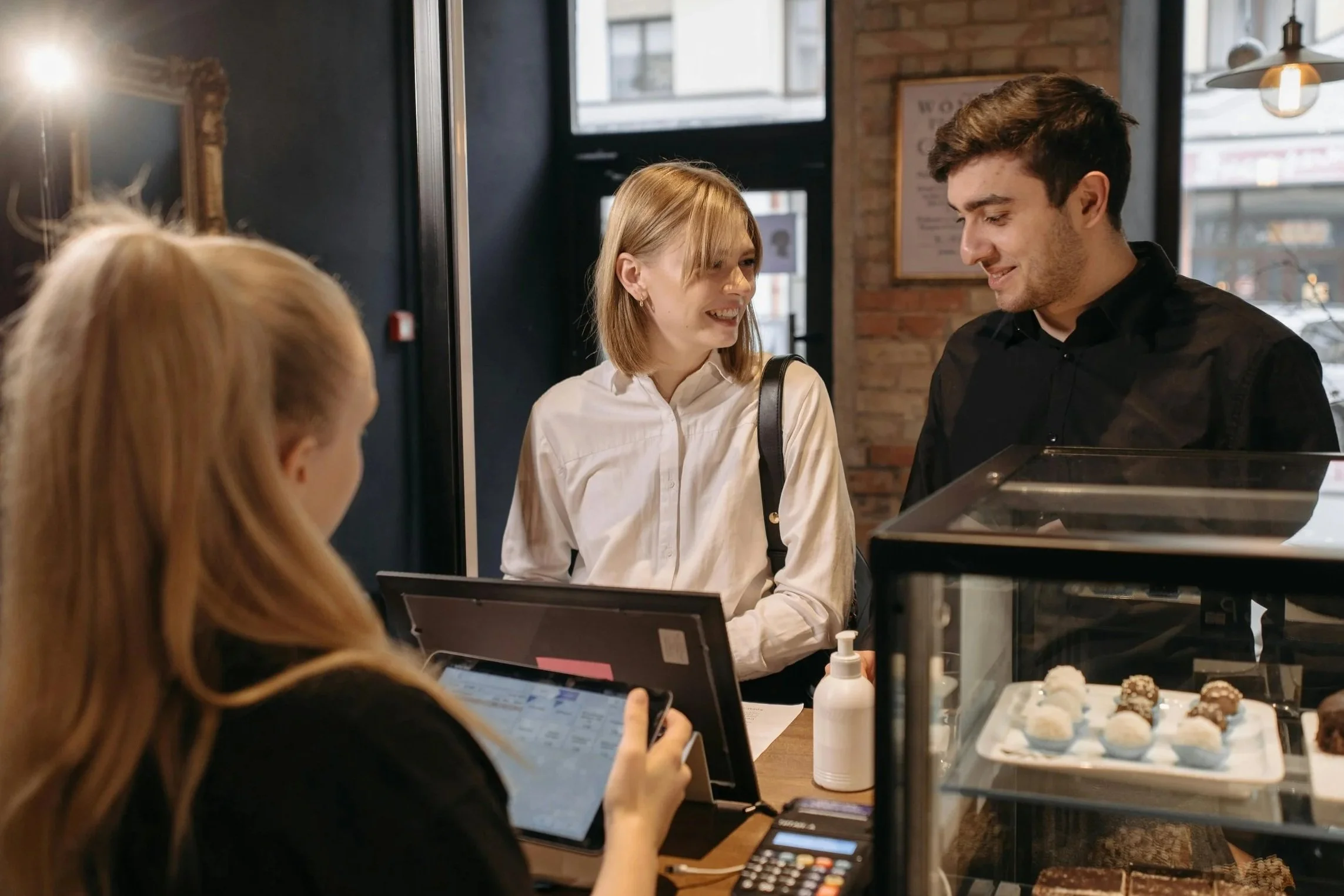
5. Customer experience photos
Customer experience photos help bring your business to life by showing what it actually feels like to use your service. Rather than focusing only on what you offer, these images shift the perspective to the customer - which is often what people care about most.
For small and independent businesses, this is a powerful way to build trust. When potential customers can see real people enjoying your space, product, or service, it makes the experience feel more relatable and believable.
This kind of visual reassurance can be the difference between someone browsing and someone taking action.
Examples:
Customers enjoying your space
People interacting with your product
Real-life usage moments
These images help visitors imagine themselves using your service.
Learn more:
Research from Nielsen Norman Group shows users form opinions about websites in milliseconds - visuals play a huge role in that.
6. Behind-the-scenes photos
These add personality and authenticity. They also help differentiate your business from competitors by showing the unique details and personality behind how you work.
Examples:
Preparing an order
Setting up a workspace
A day-in-the-life moment
They help build trust by showing:
Transparency
Effort
Craftsmanship
7. Location or environment photos
If you have a physical space, show it. They also reduce uncertainty by helping customers feel familiar with your space before they arrive, which can make them more likely to visit.
This helps customers:
Find you more easily
Feel comfortable before visiting
Know what to expect
It’s especially useful for local SEO and supporting your Google Business Profile.
Learn more
How to make the best use of your Google Business Profile
8. Branded lifestyle images
These are less about “what you do” and more about “how it feels”. They help create consistency across your website and social channels, making your brand feel more cohesive and recognisable over time.
Think:
A café showing a relaxed morning vibe
A fitness brand showing energy and motivation
A creative studio showing inspiration and process
These images reinforce your brand identity visually.

9. Testimonials with photos
If possible, pair reviews with real customer images. They also make your testimonials feel more genuine and relatable, helping potential customers trust the feedback more quickly. If you see a customer take a good photo of your store on social media, reshare and comment where possible.
This adds:
Credibility
Authenticity
Emotional connection
It’s far more powerful than text alone.
Learn more:
HubSpot highlights that visual testimonials significantly increase trust and conversion rates.
10. A clear call-to-action supporting image
Your key conversion points (contact, booking, enquiry) should be supported visually. They also create a stronger visual cue for action, helping guide users naturally towards your key conversion points.
For example:
A friendly team photo next to a contact form
A product close-up near a “Buy now” button
A welcoming environment near a booking section
This helps reduce friction and encourages action.
Learn more
Final thoughts
You don’t need a huge library of images to make your website work harder - you just need the right ones that build trust, show what you do clearly, reflect your brand, and guide customers towards taking action. If your current visuals aren’t doing that, it may be time to rethink your approach. At Kyeeni, we help small businesses plan and capture photography and video that genuinely supports their website - creating visuals that connect, build confidence, and convert visitors into customers.