8 Tips to build a consistent visual brand language (that speaks to your audience)
Your visual brand language is the visual voice of your business, everything from colours and fonts to photography style and layout choices. When these elements work together consistently, your brand feels more professional, recognisable and trustworthy. In crowded digital spaces, consistency isn’t just aesthetic - it’s a key driver of credibility, recall and customer confidence.
1. Define your core visual elements
Start with your logo, colour palette and typography - these are the foundations of your visual identity. Clearly defining these elements ensures your brand looks intentional rather than pieced together over time.
You should establish:
1 primary logo with clear variations (icon, stacked, mono)
2-3 core colours that reflect your brand personality
1-2 fonts with defined uses (headings vs body text)
When these basics are locked in, every design decision becomes easier and more consistent across platforms. This is especially important for small businesses building trust online for the first time.
Learn more:
What is visual design, by Interaction Design
2. Create a simple brand style guide
A brand style guide doesn’t need to be complex - even a short document helps maintain visual consistency as your business grows. It becomes especially valuable when working with freelancers, agencies or multiple internal stakeholders.
Include:
Exact colour hex codes
Font names, weights and usage rules
Logo placement guidance
Do’s and don’ts for imagery
This guide acts as a single source of truth, preventing visual drift over time and reducing inconsistencies across channels.
Learn more:
3. Be intentional with photography & imagery
Images play a powerful role in how your brand is perceived, often communicating emotion before text is even read. Using consistent, high-quality imagery helps your brand feel more authentic and human.
Avoid mixing vastly different image styles (e.g. polished stock photos alongside casual phone shots). Instead, aim for consistency in lighting, composition and tone.
Learn more:
The power of pictures and why good photography is essential for local businesses
How imagery influences brand perception at a psychological level, via NN Group
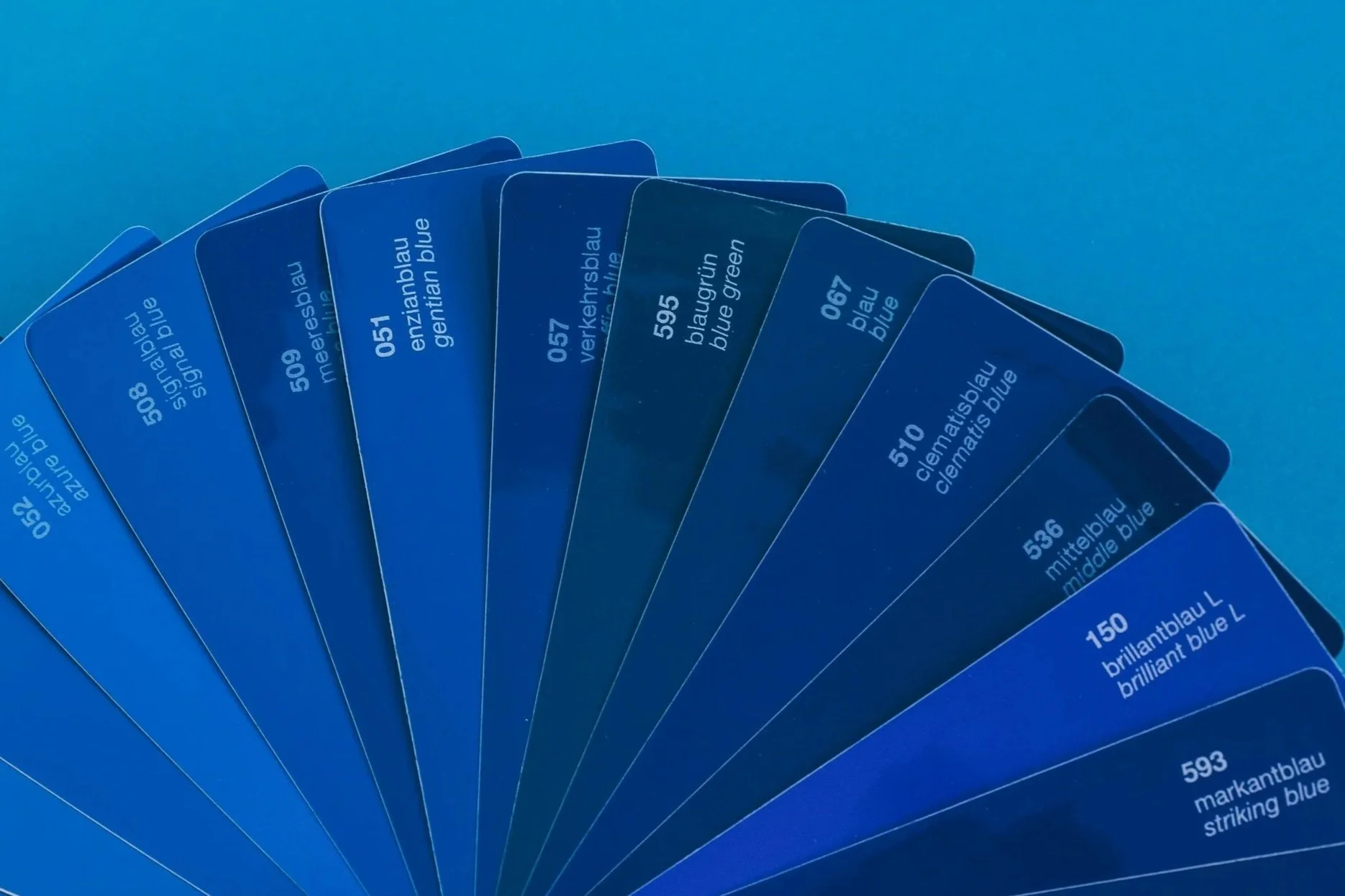
4. Keep colour use strategic
Colour has a strong psychological impact, influencing how your brand feels at first glance. A limited, intentional colour palette helps your content feel cohesive and avoids overwhelming your audience.
Use primary colours consistently for key elements like headings and calls to action, and reserve accent colours for emphasis.
Learn more:
5. Use consistent typography
Typography shapes your brand’s personality just as much as colour and imagery. A mismatch of fonts can make your brand feel disorganised or unprofessional, even if the content itself is strong.
Choose fonts that align with your values - modern, friendly, authoritative or creative - and use them consistently across your website, social posts and marketing materials. Over time, this builds familiarity and trust with your audience.
Learn more:

6. Build templates for repeated content
Templates are one of the most effective ways to maintain visual consistency while saving time. They ensure repeated content formats always look and feel on-brand.
Create templates for:
Social media posts
Blog feature images
Email headers
Slide decks or proposals
This approach allows you to focus on messaging and strategy, rather than reinventing the design each time. It also supports smoother content workflows as your business scales.
Learn more:
7. Apply visual consistency across all channels
Your brand doesn’t live on your website alone - it exists across social media, email, print and third-party platforms. Each touchpoint should feel like part of the same visual ecosystem.
While layouts may differ by channel, the colours, fonts, image style and tone should feel instantly recognisable. This consistency reinforces brand trust wherever customers encounter you.
Learn more:

8. Audit and update regularly
Even well-defined brands can drift visually over time as new content is created. Regular audits help you spot inconsistencies before they weaken your brand identity.
Ask simple questions:
Are we still using the same fonts and colours?
Does this imagery match our intended style?
Is the logo being used correctly everywhere?
Quarterly reviews are usually enough to keep your visual brand language aligned and polished, particularly as new platforms and formats are introduced.
Learn more:
Conclusion
A strong visual brand language does more than make your business look good - it makes you memorable, credible and easy to recognise. By defining your core elements, using consistent imagery, and applying your visuals intentionally across all channels, you create a brand that feels confident and professional.
Visual consistency isn’t a one-off exercise - it’s an ongoing strategy that strengthens recognition, builds trust and helps your brand stand out in a competitive digital landscape.